
The Campaign Against the Demon Region
I ChingThis flow traces the expedition against the Demon Region as a recurring historical example of prolonged military action and measured success.
increasing Bearing strength in each event
 decreasing
Bearing strength in each eventdecreasingThe Earlier Expedition

A Historical Campaign
Wu Ding's campaign
Legge identifies the ruler remembered as Wu Ding with an expedition against the Demon Region. The campaign becomes a historical example invoked by later line statements.
Its remembered importance lies partly in its duration and the difficulty of subduing a distant adversary.
War as a test of patience
The reference gives the Changes a historical horizon beyond the Zhou family's own rise. Military success appears as a long process, not an instant result.
Legge uses the example to illuminate warnings against employing small or unfit leaders in demanding undertakings.
The Campaign Lasts Three Years

A Long Contest
The text's example
One line recalls a ruler attacking the Demon Region and taking three years to subdue it. Legge treats the passage as a reminder that a campaign can consume years even when its aim is achieved.
The duration complicates any simple celebration of victory.
Leadership matters
The line warns against employing small men in such enterprises. Legge reads the caution as a judgment about the character and competence required for sustained command.
A long campaign magnifies the consequences of poor appointments and divided purpose.
The Example Returns in Unfinished War
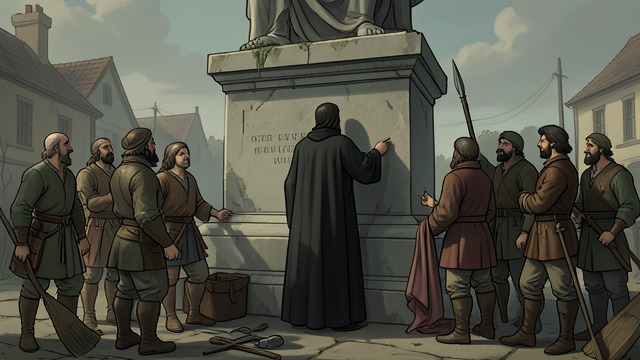
History as a Measure
An allusion reappears
In the closing discussion of Not Yet Completed, the text again evokes a three-year campaign against the Demon Region. Legge links the allusion to the earlier reference, showing how historical memory travels between hexagrams.
A past expedition becomes a model for strenuous action in a later political crisis.
Victory remains conditional
The example encourages sustained effort, but only under firm and correct leadership. The work of restoring order may take time and still require prudence.
The repeated reference turns the campaign into an enduring test of disciplined commitment.
Rewards Sustain the Troops
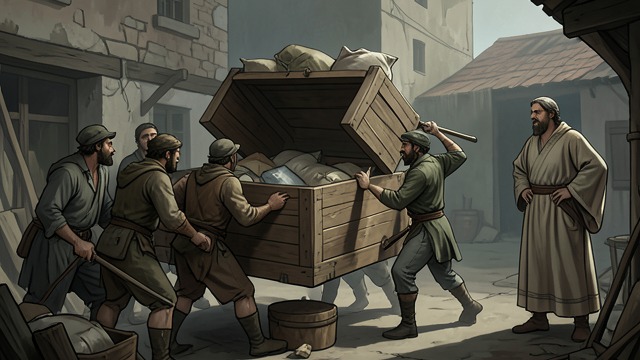
Maintaining the Expedition
Support from the center
Legge notes that distant campaigns could receive rewards and supplies from the central court. The connection between army and government remained active even when the forces were away.
Material support could reinforce morale and acknowledge service.
The political cost of delay
Long operations strain both the fighting force and the administration that sustains it. The historical example therefore makes logistics part of political judgment.
The campaign succeeds through continuing coordination, not valor alone.
Persistence Meets Prudence
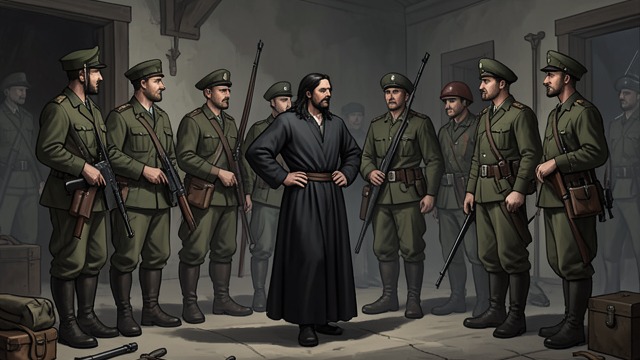
Effort Without Recklessness
A demanding precedent
The expedition demonstrates that some changes require prolonged work. Its three-year duration makes patience an operational virtue.
The example is not a license for endless aggression; it is a measure of the effort required by a difficult task.
A qualified resolution
The Changes repeatedly insists that action remain aligned with correctness. A successful campaign must be followed by restraint and sound administration.
Legge's reading transforms the historical allusion into a general lesson about endurance under principled limits.
Fourteenth century BC
During Wu Ding's expedition
Near the closing hexagrams
During the campaign's extended phase
At the end of the campaign's textual lessons
